
Phlebotomy is a crucial skill in the healthcare industry, involving the drawing of blood for diagnostic testing, transfusions, donations, and research. If you’re considering a career in phlebotomy, it’s essential to understand what this role entails, the training required, job prospects, and how you can excel in this field. This guide covers everything you need to know about becoming a successful phlebotomist.
What Is Phlebotomy?
Phlebotomy is the practice of drawing blood from patients for medical purposes. The blood samples collected are used for:
- Diagnosing medical conditions
- Monitoring health conditions
- Blood transfusions
- Blood donations
- Medical research
Phlebotomists are healthcare professionals trained to perform these procedures safely and efficiently while ensuring patient comfort and care.
What Does a Phlebotomist Do?
A phlebotomist’s primary responsibility is to draw blood from patients. However, their duties extend beyond just collecting blood samples. They must also:
- Prepare patients for blood collection
- Verify patient identity and ensure proper labeling of blood samples
- Maintain patient records
- Follow strict health and safety protocols to prevent contamination
- Handle medical equipment like needles, syringes, and blood collection tubes
- Provide emotional support to anxious patients
Phlebotomists often work in hospitals, clinics, diagnostic labs, blood banks, and healthcare centers.
Why Is Phlebotomy Important?
Phlebotomy is essential for medical diagnostics. Accurate blood tests can:
- Detect diseases early
- Monitor chronic conditions like diabetes and high cholesterol
- Help doctors make informed treatment decisions
- Assist in research to develop new treatments
Without skilled phlebotomists, it would be challenging to obtain high-quality blood samples for these purposes.
Skills Needed to Become a Phlebotomist
Phlebotomy requires both technical and soft skills, including:
1. Technical Skills
- Knowledge of blood collection techniques
- Understanding of infection control procedures
- Ability to handle medical equipment
- Proficiency in labeling and handling blood samples
2. Soft Skills
- Excellent communication skills to put patients at ease
- Attention to detail to avoid errors
- Empathy and patience, especially with anxious patients
- Problem-solving skills to handle difficult situations
Career Opportunities in Phlebotomy
Phlebotomy offers a wide range of career opportunities in both public and private healthcare sectors. Common workplaces for phlebotomists include:
- Hospitals
- General practitioner (GP) clinics
- Diagnostic laboratories
- Blood donation centers
- Private healthcare providers
With experience, phlebotomists can advance into roles such as:
- Phlebotomy Supervisor
- Lab Technician
- Medical Assistant
- Healthcare Trainer
Salary Expectations for Phlebotomists in the UK
The salary for phlebotomists varies depending on experience, qualifications, and location. Here’s an average breakdown:
- Entry-Level Phlebotomists: £26,000 – £28,000 per year
- Experienced Phlebotomists: £28,000 – £30,000 per year
- Supervisory or Senior Roles: £38,000+ per year
Freelance or mobile phlebotomists may earn more, especially if they provide services to private clinics or businesses.
Pros and Cons of a Career in Phlebotomy
Pros:
- Quick entry into the healthcare field
- High demand for qualified phlebotomists
- Opportunities for career advancement
- Rewarding work helping patients
Cons:
- Physically demanding work
- Exposure to bloodborne pathogens
- Dealing with anxious or difficult patients
- Need for continuous training to stay updated
How to Succeed as a Phlebotomist
To excel as a phlebotomist, follow these tips:
- Practice Communication – Develop excellent interpersonal skills to comfort patients.
- Stay Organized – Pay close attention to detail when labeling and handling samples.
- Maintain Hygiene – Follow strict infection control protocols.
- Continue Learning – Stay updated with the latest healthcare practices and certifications.
Conclusion
Phlebotomy is a rewarding career path with excellent job prospects in the healthcare sector. It’s a great entry point for those looking to start a career in healthcare or enhance their skills. With the right training and certification, you can build a successful career as a phlebotomist.
Put knowledge into practice
Ready to learn the skill behind the care?
Explore hands-on phlebotomy training at Estella Sparks Academy.
Keep reading
More from the blog
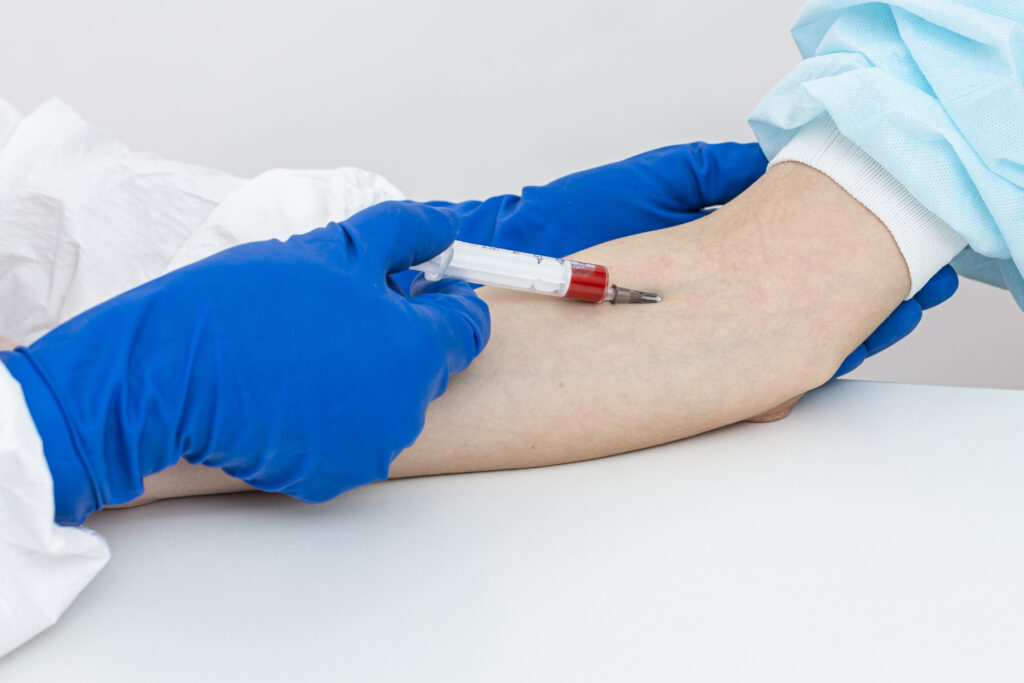
Tips for Pediatric Blood Collection
Blood collection in pediatric patients is a delicate procedure that requires specialised skills to ensure both the comfort of the child and the accuracy of the results. Unlike…
Read article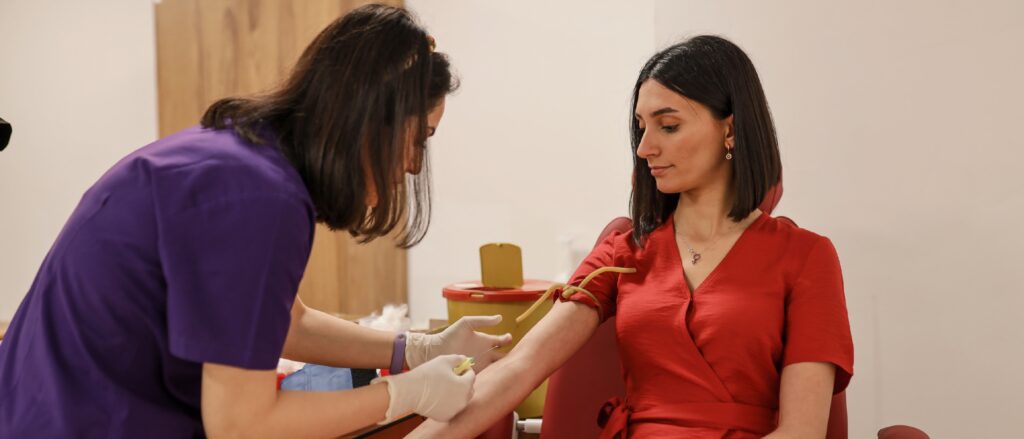
Top 5 Reasons Why You Should Pursue a Career in Phlebotomy
Are you looking for a rewarding career in the healthcare industry that offers job stability, growth opportunities, and a chance to make a real difference in people's lives?…
Read article